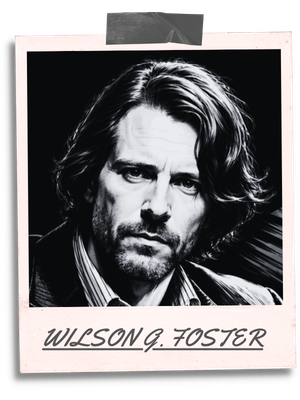

Meet Wilson Grant Foster, a man who has spent most of his adult life somewhere between paperwork, property, and construction. Wilson has worked in law offices, in the financial sector, and around construction firms where the job was not just swinging a hammer, but keeping the whole operation from falling apart. He is the kind of man that can sit at a desk with deeds, contracts, site plans, budgets, and permits stacked in front of him, then walk out to a job site and understand why the work is behind schedule. He has experience in project management, property evaluation, contractor coordination, and the kind of planning that happens before any building actually goes up. Wilson is not the loudest person in the room, but he is usually the one paying attention to what everyone else missed. His work has made him practical, sharp, and hard to impress, with a no-nonsense way of carrying himself that can either earn respect or rub people the wrong way depending on who is talking to him.

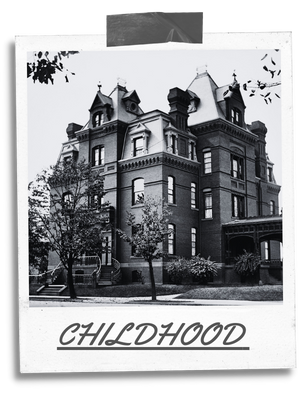
Wilson Grant Foster was born in 1958 in Arlington, Virginia, into a family that cared a lot about reputation, money, and keeping up appearances. The Foster family had old Scottish roots on one side, while his mother’s side carried Danish blood through the family line. Wilson knew about it, and he never minded mentioning it if someone asked, but he did not exactly sound like he came from either place. He had no thick Scottish tone, no Danish accent, and nothing about the way he talked made him seem foreign. He sounded like an American man raised around strict people, office work, and high expectations. His father was the sort of man who believed discipline fixed everything, and Wilson grew up under that pressure from a young age. He was expected to act grown before he was ready, keep himself composed, and set an example even when he wanted no part of it. That made him focused, but it also made him stubborn, guarded, and bad at admitting when something actually bothered him.

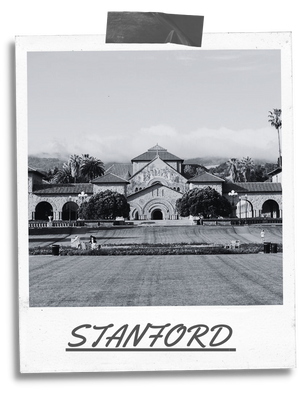
Growing up, Wilson was pushed toward the kind of career his father understood: finance, accounting, law, or business management. He did well in school and eventually attended Stanford University, where he built a strong education around business, accounting, and how organizations actually run. At twenty-two, after graduating, he moved into his own place back in Arlington and started trying to make a name that was not completely tied to his family. He later spent time in a Washington-area law firm, working around property law, contracts, titles, filings, and corporate paperwork. For a short while, he practiced in that world and learned how important a single paragraph in a contract could be. He was not the kind of lawyer who wanted to stand in a courtroom and argue for attention. Wilson was better with the quiet side of law: reading the fine print, finding risks, checking ownership, sorting out disputes before they became bigger problems, and making sure nobody signed something they did not understand.


After his time around law, Wilson stepped into the financial sector because it tied into the same world he kept circling back to: land, buildings, money, and people trying to turn plans into something real. He worked with construction loans, property records, budgets, insurance papers, purchase agreements, and development proposals. That was where he learned that a building was never just a building. It was debt, labor, risk, zoning, inspections, repairs, and a hundred different signatures before a person could even unlock the front door. Wilson became good at paperwork because he had to be. He could follow a money trail, catch a bad estimate, and tell when someone was trying to make a weak project look stronger than it was. Still, office work alone never sat right with him. He liked the documents, but he also wanted to see what they turned into. That was what pulled him toward construction management and private contracting. He started working more closely with crews, site supervisors, suppliers, and property owners, learning how to keep projects moving when the weather, the budget, or the people involved tried to slow everything down.

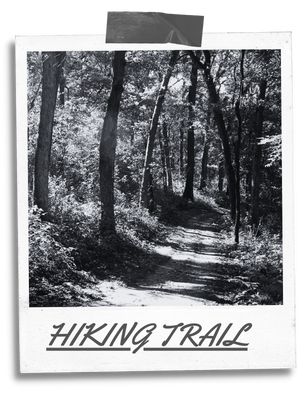 Outside of work, Wilson had a habit of getting away from people when he needed to think. He liked hiking, long drives, quiet woods, and places where nobody expected him to answer a phone or look over another stack of papers. He was not loud about it, and he was never the type to brag about being outdoorsy, but time outside helped him clear his head. The mountains and forests gave him something his father’s house never really did: silence without judgment. Hiking also put him around different kinds of people, not just lawyers, bankers, and businessmen. He met contractors, surveyors, landowners, engineers, and men who knew more about dirt, timber, water lines, and back roads than most office people ever would. Wilson respected that sort of knowledge. He might have had education and money behind him, but he learned early that a man with clean shoes does not always know more than the man covered in dust.


Over the years, Wilson’s work took him outside of Virginia more than once. Some trips were tied to financial work, some to construction supply, and some to property deals where somebody needed a man who understood contracts and job sites at the same time. He dealt with building materials, heavy equipment, office paperwork, vendor agreements, insurance questions, and the kind of negotiations where one bad shipment could delay an entire project. Wilson was never really a tourist, even when he traveled. He noticed roads, rail lines, warehouses, ports, old buildings, and how different places handled growth. He had enough Danish and Scottish family history to appreciate old cities and old names, but he still carried himself like a practical American businessman. He picked up pieces of other cultures through work, but he never pretended to be from somewhere he was not. He learned to deal with people carefully, keep his word clear, and never walk into a negotiation without knowing what he wanted before he sat down.

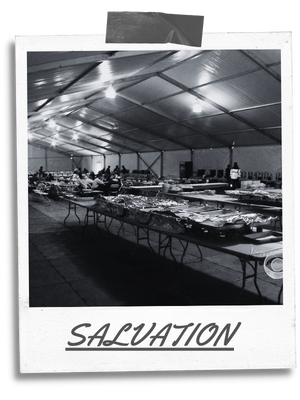
In 1992, Wilson was brought into relief-related work connected to FEMA after Hurricane Andrew hit South Florida. He was not some famous official giving speeches on television. His place was in the field and in the paperwork, where things had to be counted, cleared, repaired, approved, and put in order. Around Homestead and the wider Dade County area, Wilson worked alongside contractors and coordinators dealing with temporary housing support, repair planning, site preparation, utility concerns, vendor records, and the constant problem of getting materials where they needed to be. That work suited him in a hard way. It was stressful, disorganized, and full of people who needed answers faster than anyone could give them. Still, Wilson understood buildings, forms, contracts, and crews. He knew how to keep his head down and make himself useful. The experience stayed with him because it proved something he already suspected: property was never just about ownership. A house, a trailer, a shelter, or a small office could be the difference between someone feeling lost and someone feeling like they had a place to stand again.

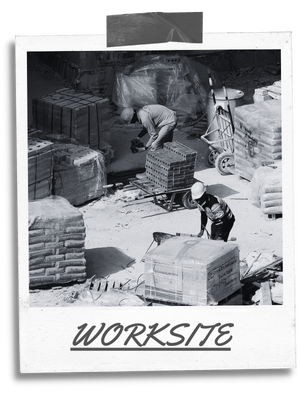
By 1995, Wilson had enough of moving between other people’s offices, other people’s projects, and other people’s expectations. He had worked in law, worked in finance, dealt with construction, managed paperwork, handled crews, and seen what happened when property was treated like a number instead of a place people actually depended on. Kentucky felt like the right place for a new start. It was not about running away from Virginia as much as it was about finally building something under his own name. Wilson began settling into Kentucky Buffalo Hill with the intention of turning his background into a real estate business that made sense for who he was. Foster Realty Group was not meant to be a flashy company. It was meant to be practical: homes, land, rentals, commercial spaces, property value, repairs, titles, leases, and development advice from a man who understood more than just the sales side of it. Wilson could be difficult, strict, and too controlling at times, but he knew the work. He knew paper, he knew property, and he knew construction. As of 1996, Wilson Grant Foster was not trying to be bigger than everyone else. He was trying to build something solid, honest, and worth attaching his name to.
 Thank you for taking the time to read the post. Feel free to share thoughts or feedback in the comment section below.